Plum, Not Raisin: The Skincare Guide for Every Decade
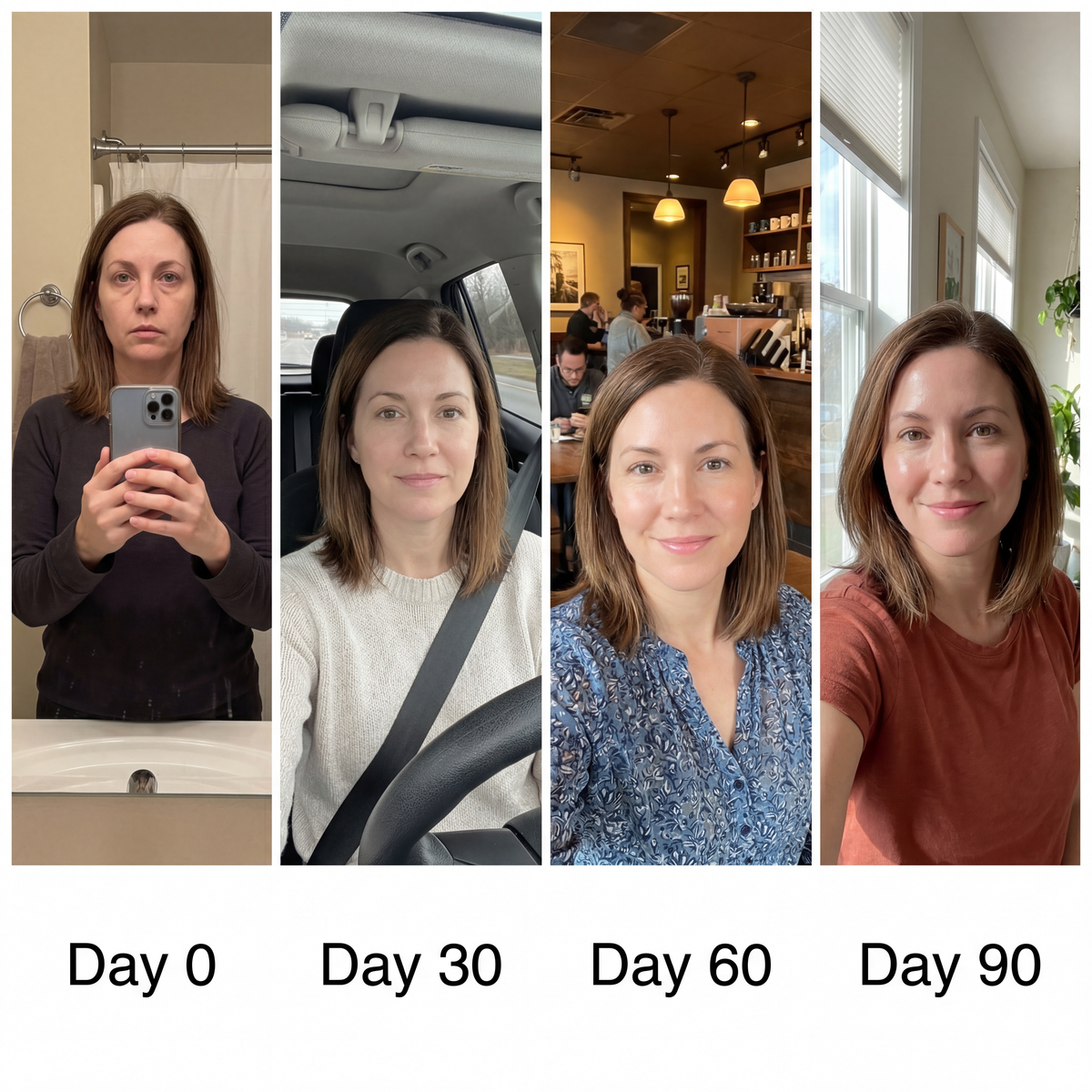
Here's something worth knowing about plums and raisins: they're the same fruit. The difference is mostly water. Skin works in a surprisingly similar way. A lot of what reads as "older" is lost moisture and lost density, and both respond to the right care at every age. What changes from decade to decade is what your skin needs most.
Your 20s and 30s: building the savings account
Collagen production begins to slow in your mid-twenties, but the effects are invisible for years. That makes this the decade of deposits, not repairs. Daily sunscreen does more here than any serum, because sun damage piles up silently and shows up later. Add a gentle cleanser, a moisturizer you'll actually use, and enough sleep, and you've done the heavy lifting. By the mid-thirties, a vitamin C serum in the morning and a slow introduction to a retinoid at night are sensible next steps.
Your 40s: the changes you can finally feel
This is usually when women say, "My skin just feels different." Nothing dramatic happened overnight. Twenty years of gradual collagen loss simply crossed the line into visible.
What's changing:
- Cell turnover slows, so dead cells linger and skin looks duller and rougher.
- Perimenopause can begin, and shifting estrogen makes skin drier on some weeks than others.
- The first lines that stay put appear: between the brows, at the corners of the eyes.
- Morning puffiness under the eyes takes longer to go down.
What helps:
- Swap foaming cleansers for a cream or milk cleanser that doesn't strip.
- Keep the retinoid, but pair it with a richer moisturizer so it doesn't sting.
- Layer hydration: a hyaluronic acid serum on damp skin, sealed with cream.
- Give the eye area its own step. Skin there is thinner and responds well to cooling, caffeine-based patches.
Your 50s: when density becomes the story
The average age of menopause in the US is 51, and it changes skin faster than any birthday. Research suggests skin can lose close to 30% of its collagen in the first five years after menopause. Oil production drops at the same time, so skin gets thinner and drier in the same stretch of years.
What's changing:
- Skin feels less cushioned, and the jawline starts to soften.
- Dryness becomes constant rather than seasonal.
- The neck and chest begin to show changes, often before the face does.
- The skin barrier recovers more slowly, so harsh products leave redness that lasts.
What helps:
- Moisturizers built on ceramides, glycerin, and hyaluronic acid, used morning and night.
- Less exfoliation, not more. Once or twice a week with a gentle acid is plenty.
- Extending every step down to the neck and décolleté.
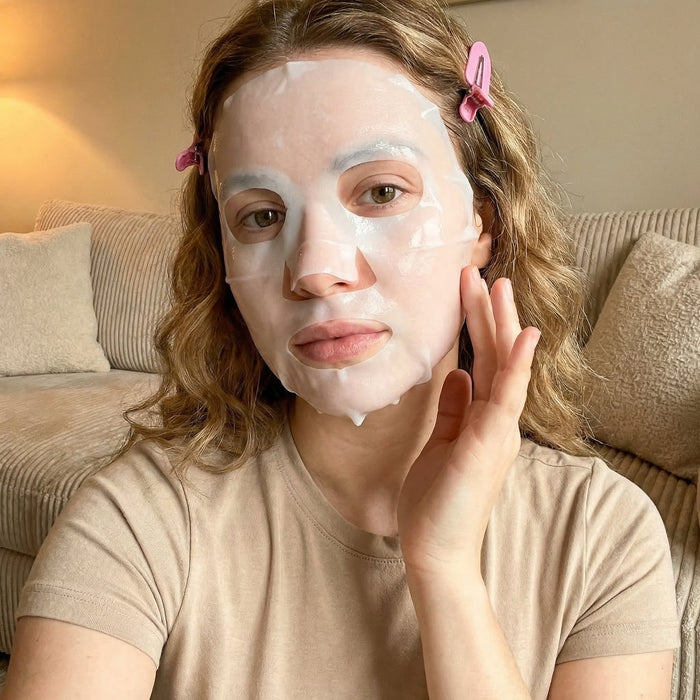
- A collagen mask worn for one to three hours in the evening, which plumps with water the same night and supports firmness with regular use.
Your 60s and beyond: comfort, cushion, consistency
Many of the women in our community are in their sixties and seventies, and they tend to be the most clear-eyed about skincare. They're not chasing a trend. They want skin that feels comfortable and looks rested.
What's changing:
- Skin is thinner and more fragile, and it may bruise or tear more easily.
- Oil and sweat glands are less active, so dryness and itchiness are common, especially in winter.
- Lines deepen, and the skin around the eyes and mouth looks crepier.
- Skin takes noticeably longer to recover from dryness or irritation.
What helps:
- Fewer, better products. A calm routine beats a crowded shelf.
- Lukewarm water, never hot, and moisturizer applied within three minutes of washing.
- Fragrance-free formulas, since fragile skin reacts more easily.
- No-rub formats. A hydrogel mask delivers ingredients without any tugging on thin skin, and the cooling feels wonderful.
- A humidifier in the bedroom during heating season.
- Sunscreen, still. It's never too late for it to matter.
SkinKlean tip: Whatever you put on your face, take it a few inches lower. The skin on your neck and chest is thinner and has fewer oil glands than your cheeks, and it's often where other people notice age before you do.
What every decade shares
Sun protection, sleep, and consistency matter at 25 and at 75. The biggest shift over time isn't which products you use but how gently you use them. Skin that doesn't bounce back the way it used to isn't failing. It's asking for more water, more cushion, and more patience.
If you're in the decades where density is the story, our Triple Collagen Plumping Gel Mask was made for exactly that: 11.76% hydrolyzed collagen in a fragrance-free hydrogel you wear for one to three hours, no rubbing required.